Across Philippine organizations, digital transformation is accelerating—yet results remain uneven. New platforms are launched, AI tools are piloted, and systems are upgraded. Still, many initiatives fail to deliver sustainable impact. Increasingly, HR and L&D leaders are recognizing a hard truth: digital transformation fails without the right leadership training program.
Today, HR and L&D are no longer administrative or support functions. They are strategic drivers of leadership capability, agility, and readiness for AI-enabled work. Without a clear leadership development strategy, even the best digital investments struggle to translate into behavior change, performance, and cultural alignment.
Why Leadership Development Is a Business Strategy, Not a Support Function
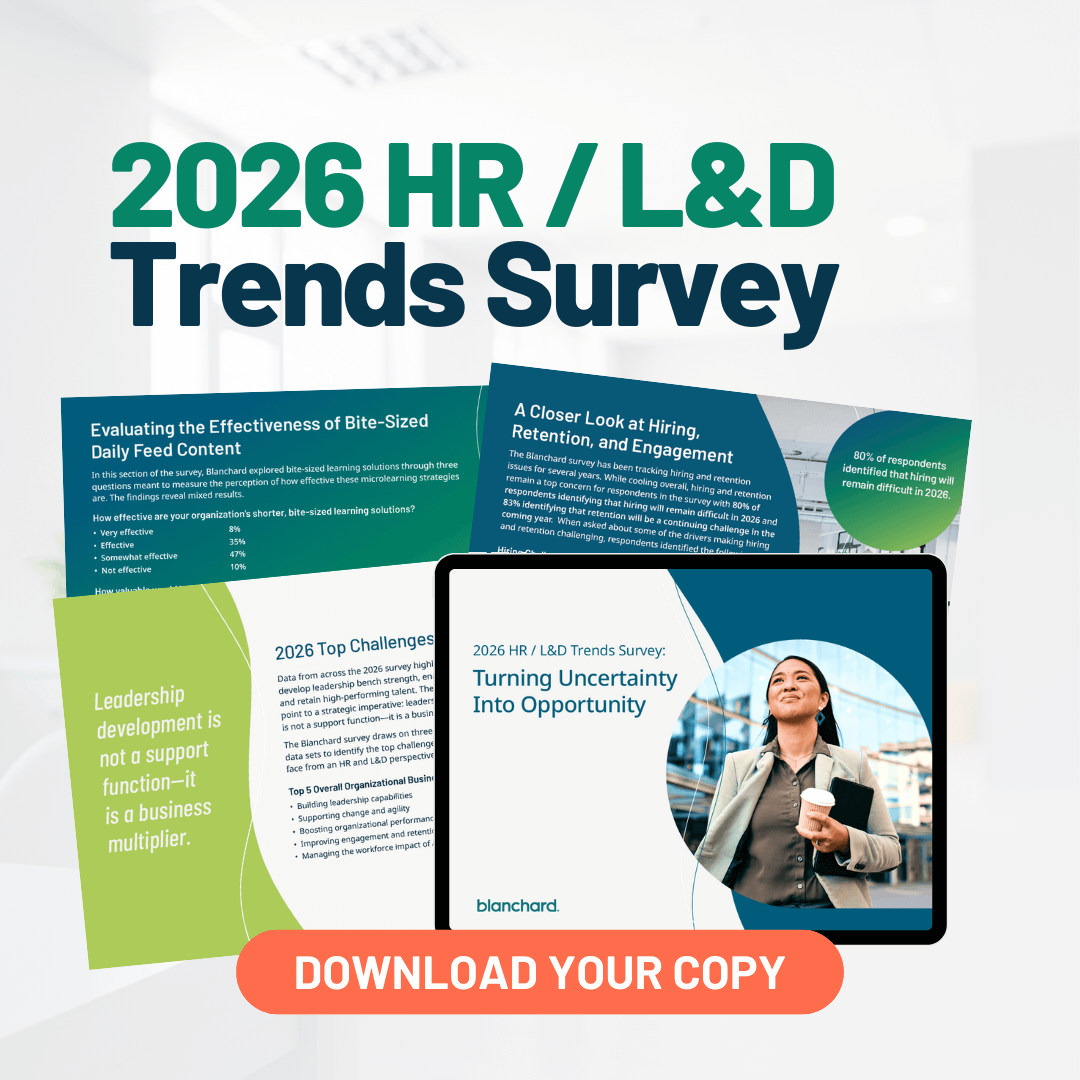
One of the strongest signals from the 2026 HR, L&D Trends Report is this: leadership development is now viewed as a business multiplier—not a support activity.
In fact:
- 48% of organizations cite building leadership capability as their top business challenge
- 36% identify supporting change and agility as a critical priority
- 31% link leadership directly to organizational performance

For HR and L&D leaders in the Philippines, this marks a shift in expectations. Leadership development is no longer about delivering programs—it is about enabling execution, adaptability, and resilience during constant transformation.
Digital transformation magnifies this reality. When leadership capability lags behind technology adoption, organizations experience misalignment, resistance, and stalled progress.
The Leadership Capability Gap in Digital Transformation
While leadership development is a top priority, quality often lags behind. According to the 2026 data, front-line and mid-level managers are prioritized, but only about 21% of organizations rate their programs as high quality—most land in the “medium” range.
One Philippine company rolled out a digital leadership program, but managers still relied on old workflows and avoided AI tools—leaving transformation stalled. Sound familiar?
This gap is especially visible in digital transformation efforts. HR and L&D may launch initiatives aligned with strategy, but without the right leadership behaviors being developed and reinforced, execution breaks down.
This reinforces the central theme: digital transformation fails without the right leadership training program, especially when development is fragmented or disconnected from real work.
What Digital-Ready Leadership Looks Like Today
Digital-ready leadership goes far beyond technical literacy. HR and L&D leaders are now tasked with developing leaders who can navigate complexity, coach through uncertainty, and lead people—not just processes.
The 2026 HR, L&D Trends Report identifies the top leadership competencies required today and in the near future:

- Coaching and mentoring people (48%)
- Communicating effectively (47%)
- Leading change initiatives (40%)
- Adapting to new challenges (38%)
- Leveraging AI and emerging technologies (33%)
These are fundamentally human skills. In the Philippine context—where trust, clarity, and relationships strongly influence engagement—these competencies determine whether digital initiatives are embraced or quietly resisted.
Aligning Leadership Training Programs With Business Strategy
One of the most common challenges HR and L&D leaders face is misalignment. Leadership training programs exist, but they are not clearly tied to business priorities or digital goals.
The Trends Report shows that:
- 69% of HR leaders prioritize developing leadership bench strength
- 60% focus on enabling innovation and change
- Yet only 29% believe their current measurement approaches clearly demonstrate value

This disconnect highlights the need for leadership training programs that are strategically aligned, not generic. For digital transformation, alignment means:
- Developing leadership behaviors that support new ways of working
- Reinforcing decision-making, accountability, and coaching
- Ensuring leaders understand why transformation matters, not just what is changing
When leadership development aligns with strategy, HR and L&D move from program delivery to performance enablement.


Why Customization Matters in Digital Leadership Development
Generic leadership programs often fail in digital transformation contexts—especially in Philippine organizations with diverse cultures, industries, and maturity levels.
The 2026 data reveals that:
- 59% of organizations prefer customized leadership development programs
- Only 41% rely primarily on off-the-shelf solutions

Customization matters because digital transformation is not experienced uniformly. Leaders face different realities depending on function, role, and level of digital maturity.
Effective leadership training programs for organizations reflect:
- Actual digital challenges leaders face
- Organizational culture and decision-making norms
- Industry-specific pressures and constraints
Customization does not mean reinventing everything—it means ensuring relevance. This is where HR and L&D create real strategic value.
Measuring the Impact of Leadership Training in Times of Change
Measurement remains a top challenge. Less than a quarter of organizations see leaders applying new skills effectively, while almost half consider their measurement methods only somewhat effective. During digital transformation, HR and L&D must go beyond attendance and satisfaction, focusing on real behavior change, application on the job, and tangible impact on performance and engagement.
In one Filipino company, HR tracked attendance at leadership workshops—but weeks later, leaders were still defaulting to old habits. Without measurement tied to behavior, training risks being just another checkbox.
Without clear measurement, leadership training risks being perceived as a cost rather than an investment—weakening support during times of change.
How HR and L&D Can Future-Proof Leaders
Future-proofing leadership is not about predicting the next technology—it is about building adaptability, judgment, and human-centered leadership.
The 2026 insights emphasize five shared priorities:
- Leadership capability
- Change agility
- Talent development
- Culture and well-being
- Strategic alignment
For HR and L&D leaders, this means designing leadership development strategies that are continuous, integrated, and clearly connected to digital transformation goals.
When HR and L&D take ownership of leadership capability at this level, they become the architects of transformation—not just its administrators.

Preparing Digital Ready Leaders Through the Right Leadership Training Program
Digital transformation will continue to reshape how Philippine organizations operate. Technology will evolve. AI will accelerate change. But leadership capability remains the defining factor.
Without the right leadership training program, digital initiatives struggle to scale, sustain, and deliver value. With the right development strategy, HR and L&D empower leaders to turn uncertainty into opportunity.
If your organization is navigating digital or AI-driven change and needs leadership training that is aligned with strategy, culture, and real leadership challenges, connect with us to explore tailored leadership training and development programs designed to build digital-ready leaders—today and for the future.
© 2026 Blanchard Philippines. All rights reserved. Unauthorized use, reproduction, or distribution of this content is strictly prohibited.