The Quiet Crisis—What’s Driving Your Best Talent Away?
If you’re an HR or L&D leader in the Philippines, you’ve likely felt the pressure intensify these past months. More resignations. More exit interviews. More high performers slipping away despite competitive salaries, hybrid work, or wellness efforts. Many organizations are scrambling to contain the talent drain—but few are addressing the real issue behind it.
Across Filipino companies, one pattern is becoming impossible to ignore: talent isn’t leaving because employees “don’t want to work” or because “Gen Z is complicated.” They’re leaving because the day-to-day experience with their direct manager is not working. Employees no longer tolerate poor communication, unclear expectations, or leaders who were never properly equipped through leadership training for leaders to guide, coach, and support a modern workforce.

This isn’t a dramatic statement—it’s a pattern showing up repeatedly in organizations preparing for 2026. Leaders are being asked to do more with teams that need more support, more clarity, more empathy, and more development. But many leaders were never trained for this new reality. And this gap is where the quiet crisis begins.
What the 2026 Survey Reveals About Retention and Leadership Effectiveness
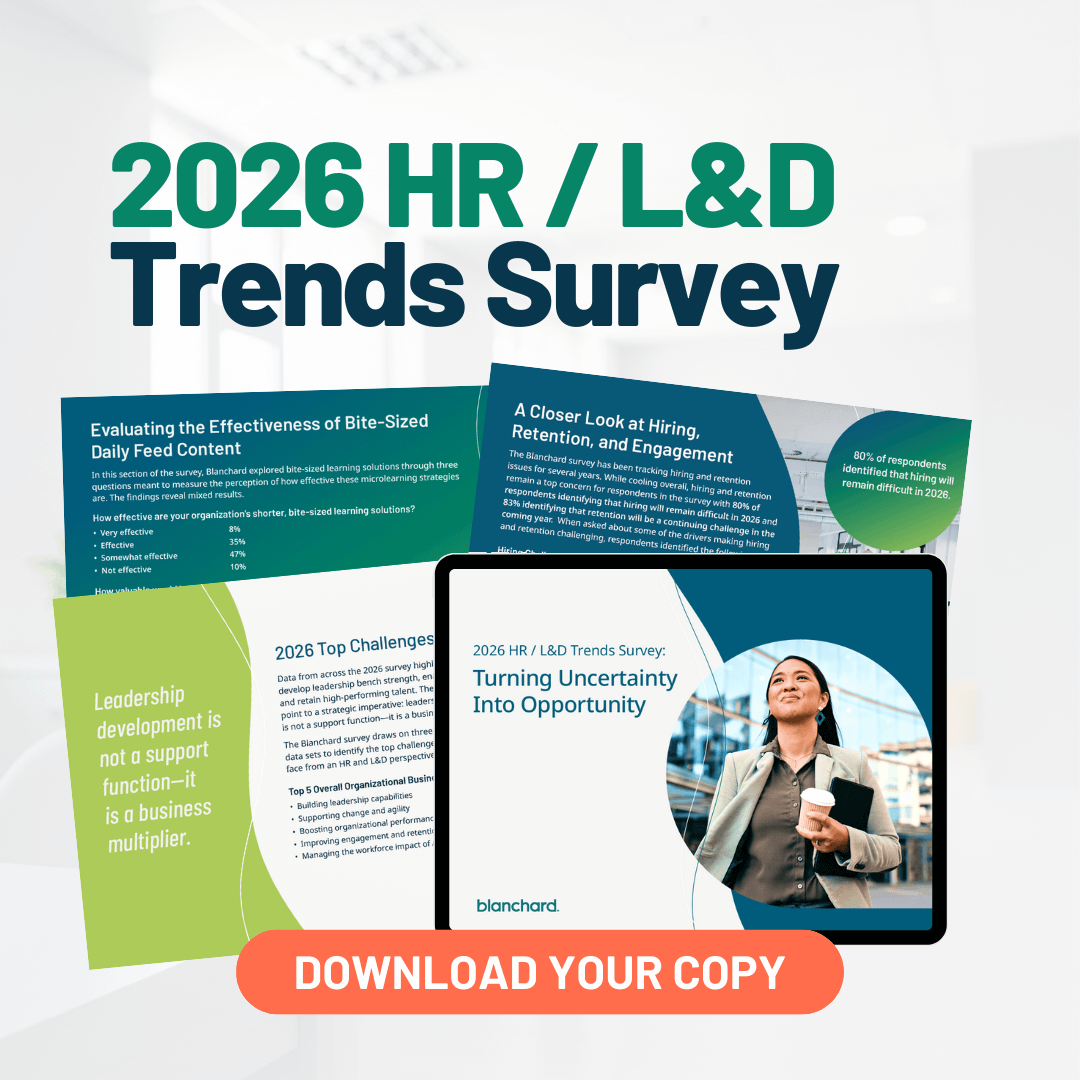
While we won’t go into deep data, one signal from the 2026 HR/L&D Trends Survey is impossible to ignore: leadership quality remains one of the strongest predictors of whether an employee stays—or leaves.
Many Filipino HR teams already suspect this. You might notice patterns in:
- Resignations happening under specific departments
- Teams with low morale despite benefits
- High performers feeling “unseen” or “underutilized”
- Employees saying they lack career direction or appreciation

It’s rarely about compensation alone. It’s not the workload alone. It’s not generational differences alone.
Leadership effectiveness is the variable that shifts everything else.
But here’s the nuance: Most leaders are not intentionally failing their people. They simply were never equipped with the modern skills required to lead in 2026. This is where leadership training becomes not just helpful—but strategic.
How Leadership Training for Leaders Strengthens Retention and Team Commitment
When HR teams talk about retention, they often explore:
- better pay
- hybrid options
- culture-building
- recognition programs
- career pathways
All of these matter. But none of them can fully compensate for a disengaging leadership experience.
More Filipino organizations now recognize that leadership training for leaders is one of the most direct ways to strengthen retention—because real, lasting engagement starts with developing the leaders employees interact with every day.


What Training Leaders Need to Build Engagement and Keep Teams Motivated
One of the most searched questions today is: “What training should a leader have?”
Filipino HR leaders are not asking because they’re unsure of what leadership means. They’re asking because the gap between expectations and capability is widening. Here’s the uncomfortable truth most companies quietly acknowledge:
Many leaders were promoted because they performed well—not because they were prepared to lead people.
And that disconnect becomes the root of:
- disengagement
- miscommunication
- unclear expectations
- low trust
- unresolved conflicts
- poor performance conversations
This article won’t give a full list of the exact training modules leaders need—that belongs in a customized leadership plan tailored to your context. But here is a teaser of the areas HR teams often discover during assessments:
- Leaders who avoid difficult conversations
- Leaders who struggle to give meaningful feedback
- Leaders who rely on authority instead of guidance
- Leaders who “fix the problem themselves” instead of developing others
- Leaders who unintentionally create stress rather than clarity
These are not signs of incompetence—they’re signs of untrained leadership. When employees don’t feel guided, recognized, or supported, they look elsewhere. And in 2026, they don’t wait long.

Think of the most common resignations you’ve seen this year:
- Was the work too hard, or was the communication unclear?
- Was the company culture toxic, or was the manager unprepared?
- Was the workload overwhelming, or was the leader unable to coach through it?
- Was the employee unmotivated, or were their efforts unnoticed?
Retention is emotional before it is operational. People stay where they feel valued, supported, and challenged appropriately. And only skilled leaders can create that kind of environment.
Investing in leadership development is not a perk for 2026—it’s a business survival strategy. But the key is choosing the right kind of training… not generic workshops that sound inspiring for a day but fail to change everyday leadership behavior. This is where customized, culture-aligned solutions matter most.
The 3 C’s of Loyalty: The Skills That Build Trust and Psychological Safety in 2026
When HR leaders talk about the “3 C’s of effective leadership,” the definitions may differ, but in real Philippine organizations, three skills consistently determine whether teams stay or leave. Here is the initial breakdown:
1. Communication
People don’t leave because leaders communicate too much. They leave because they don’t communicate enough… or not well enough.
2. Connection
Employees stay when they feel their leader genuinely sees them, understands them, and roots for their success.
3. Clarity
Confusion drains energy. Clarity builds confidence, direction, and long-term commitment.

When leaders lack these C’s, even well-meaning leaders unintentionally create environments where talent disconnects. When leaders master them, turnover decreases—sometimes dramatically.
But here’s the catch: These skills are deceptively simple to describe but difficult to master without proper leadership program training that builds habits, not just awareness.

Unlock Retention with Leadership Training for Leaders
If you’ve been feeling the pressure of resignations, declining morale, or underperforming teams, you’re not alone. Many Filipino organizations are navigating the same challenge—and they’re discovering that leadership training for leaders is the most reliable intervention to stop the talent drain.
But the solution isn’t a one-size-fits-all course or a generic two-day seminar. It’s a carefully designed leadership training strategy built around your culture, your people, and your business demands.
You’ve seen a preview in this blog. The full blueprint—including the retention-focused competencies and coaching behaviors—comes alive only in a consultation.
If you’re ready to protect your top talent in 2026, let’s talk. Stop losing your best people to disengagement and unclear leadership. Our leadership training program can be customized to your culture, to your people, and to your business needs—turning managers into retention drivers. Schedule a consultation now to see the full blueprint and start reducing turnover in 2026.
Leadership Training for Leaders: Retention FAQs for HR Teams in 2026
1. What is leadership training for leaders?
Leadership training for leaders develops essential people-management skills such as communication, coaching, feedback, and decision-making—skills needed to lead teams effectively, not just manage tasks.
2. Why is leadership training critical for employee retention?
Employees often leave because of poor leadership experiences. Trained leaders create clarity, trust, and engagement, which directly reduces turnover.
3. How does leadership training help retain top talent?
It equips leaders to support, recognize, and develop employees consistently—key factors that keep high performers motivated and committed.
4. What leadership skills matter most for retention in 2026?
Clear communication, genuine connection, and role clarity are the top skills that influence engagement and long-term loyalty.
5. Is leadership training only for senior management?
No. Frontline and mid-level leaders benefit most, as they shape employees’ daily work experience and satisfaction.
© 2025 Blanchard Philippines. All rights reserved. Unauthorized use, reproduction, or distribution of this content is strictly prohibited.