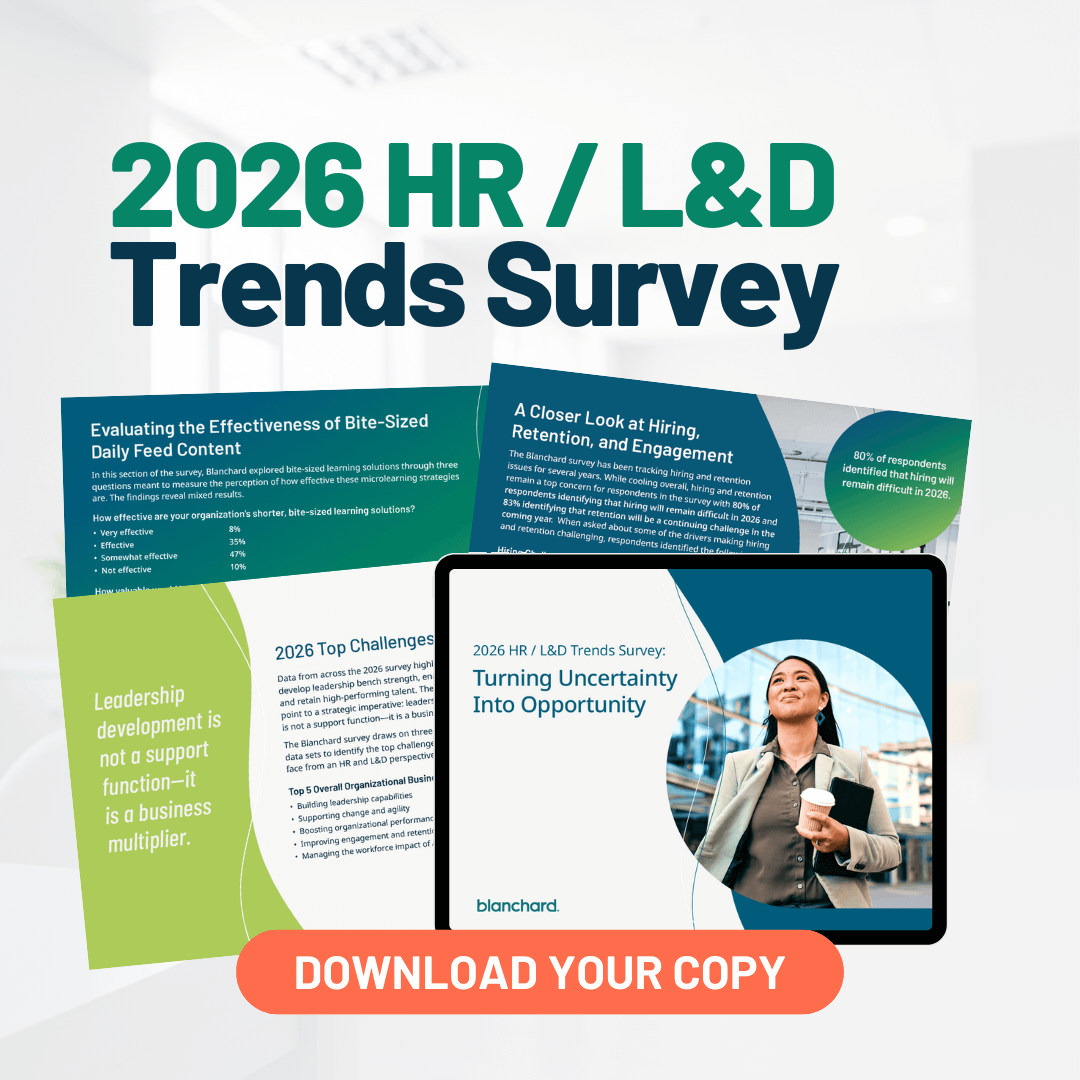
Why Leadership Development Should Be in Every 2026 Company Budget
If you’re planning for 2026, you already know the pressure: higher targets, tighter budgets, and a workforce that’s evolving faster than most companies can keep up with.
Leadership development programs used to be seen as “good to have.”
But in today’s environment, they’re becoming one of the few investments that directly influence retention, culture stability, and team performance — especially in Filipino organizations where leadership gaps often show up subtly before they become costly.
Here’s the pattern we’ve seen across Philippine companies:
- Teams don’t leave brands — they leave managers.
- High-potential talent can’t grow without real coaching.
- Culture deteriorates quietly when leaders are inconsistent.
This is why forward-thinking HR leaders are securing their leadership training budgets early for 2026. They know leadership development isn’t an expense — it’s the engine that keeps everything else moving.
And the organizations that miss this? They spend significantly more fixing the problems later.
The ROI Argument: Turning Leadership Development Into a Strategic Investment
Leadership ROI is never just about numbers. It’s about the shift in behaviors that influence performance outcomes.
However, most leaders often overlook this:
Leadership ROI doesn’t show up in dramatic moments — it shows up in everyday decisions.
Small improvements that are compound into measurable business impact:
- communication
- alignment
- accountability
- coaching
- emotional intelligence
- adaptability

The companies that track leadership ROI effectively in the Philippines tend to notice similar results:
- Lower turnover in critical roles
- More stable team performance
- Faster execution of strategic directives
- Fewer “firefighting” cycles
- Healthier work environments that attract talent
These aren’t assumptions — they’re recurring patterns.
But here’s the curiosity gap: Most companies don’t actually know how to connect these leadership behaviors to measurable ROI — and this is exactly where budgets get rejected.
How to Present ROI Data That Wins Executive Buy-In
The reality: decision-makers in Philippine companies respond best to ROI that addresses real business pain points
But most HR presentations fail because they present:
- too much theory
- too many learning objectives
- too few business metrics
Executives don’t want modules, they want outcomes. When presenting leadership ROI for your 2026 budget, the most persuasive cases include:
- Leading indicators tied to performance
- Observable behavior shifts that affect KPIs
- Cost of inaction (what the company loses if nothing changes)
- Benchmark patterns from similar PH organizations
- Risks associated with untrained managers
- Realistic timelines for impact
But here’s the pattern nobody talks about:
The most successful HR leaders don’t show more data — they show the right data.
If you’re unsure which metrics best reflect leadership impact, we can provide guidance and frameworks to help you connect behavioral change to measurable business outcomes.
Because when executives understand where leadership gaps are costing the business financially, approval becomes much easier — and your teams can start achieving meaningful results sooner.
Common Budgeting Mistakes Companies Make (and How to Avoid Them)
Based on our experience working with Filipino organizations, there are four common budgeting mistakes:
Mistake 1: Treating leadership training as a one-time event.
This leads to temporary motivation but no sustained ROI.
Mistake 2: Allocating budget only to senior leaders, not middle managers.
Middle managers are the backbone — and the hidden tipping point for culture, performance, and turnover.

Mistake 3: Not linking leadership outcomes to actual business metrics.
This makes the investment appear “soft” and non-essential during budget reviews.
Mistake 4: Choosing low-cost providers to “meet the budget.”
This often results in low engagement, minimal application, and wasted resources.
What most HR teams don’t realize is:
Budgeting mistakes don’t just reduce ROI — they hide leadership problems until they’re too big to ignore.


Building a Business Case for Leadership Development in the Philippines
A compelling business case is not about showcasing the program. It’s about showing why not investing will cost the company more.
The strongest business cases we’ve seen from HR leaders include:
- A clear diagnosis of the leadership gaps affecting performance
- The business cost of unaddressed behavior issues
- Strategic alignment with 2026 company priorities
- A timeline that sets realistic expectations
- Early indicators that show ROI even before long-term metrics appear
- A credible partner who can deliver measurable impact, not just workshops
Filipino executives appreciate clarity, simplicity, and evidence.
The more you connect leadership development to business realities, the faster you gain buy-in.
And here’s something we’ve noticed:
HR teams who build their case around “prevention” and “risk reduction” often get faster approval than those who pitch “improvement” alone.
Cultural Awareness and Leadership Effectiveness Matter More Than Companies Realize
In multinational teams, leadership challenges are often behavioral and cultural, not just technical. In one Philippine–Japanese client, we noticed clear differences in approach: Japanese managers tended to prioritize innovation and taking calculated risks, while Filipino managers focused more on team harmony and certainty. Left unaddressed, these differences created small but recurring friction in communication, decision-making, and accountability.

ROI Through Tailored Development
By addressing these cultural nuances early:
- Leaders gained a clearer understanding of behavioral patterns
- Collaboration across teams improved
- Psychological safety increased
- Misunderstandings and friction decreased
These patterns are often overlooked, yet addressing them produces some of the strongest effects on leadership ROI, because bridging cultural differences directly boosts performance and team cohesion.
Curious how these dynamics might be affecting your teams? We can help design a leadership program that turns cultural insights into measurable results.
Investing Smart: Why Partnering with the Right Leadership Training Provider Matters
Choosing a leadership development provider is not just about content. It’s about process, research, credibility, and long-term impact.
The right partner should be able to help you:
- identify hidden leadership gaps
- design development programs based on evidence
- measure ROI through behavior change
- support leaders through coaching and application
- provide frameworks that work in Philippine culture
Here’s the truth: Leadership development fails when it stops at learning. Leadership ROI begins when leaders start applying.
And not all providers are equipped to guide that process.

Take Action: Plan Your 2026 Leadership Strategy Today
If you’re building your 2026 leadership training budget, now is the time to secure clarity — not after numbers are finalized.
You don’t have to figure out leadership ROI alone.
You don’t have to guess what will work.
And you don’t need to learn through expensive trial and error.
If you want support in designing a leadership strategy that is aligned, measurable, and budget-ready for 2026, we’re here to help. Let’s talk about what leadership ROI could look like for your organization — and how to build a business case that gets executive approval.
© 2025 Blanchard Philippines. All rights reserved. Unauthorized use, reproduction, or distribution of this content is strictly prohibited.