In today’s rapidly evolving workplace, HR and L&D leaders in the Philippines are searching for leadership solutions that don’t just inspire, but also drive measurable results. Servant leadership training has emerged as a strategic approach that equips managers and executives to lead with purpose, empathy, and effectiveness. Unlike traditional leadership methods that focus on authority and control, servant leadership positions leaders as enablers of their team’s success
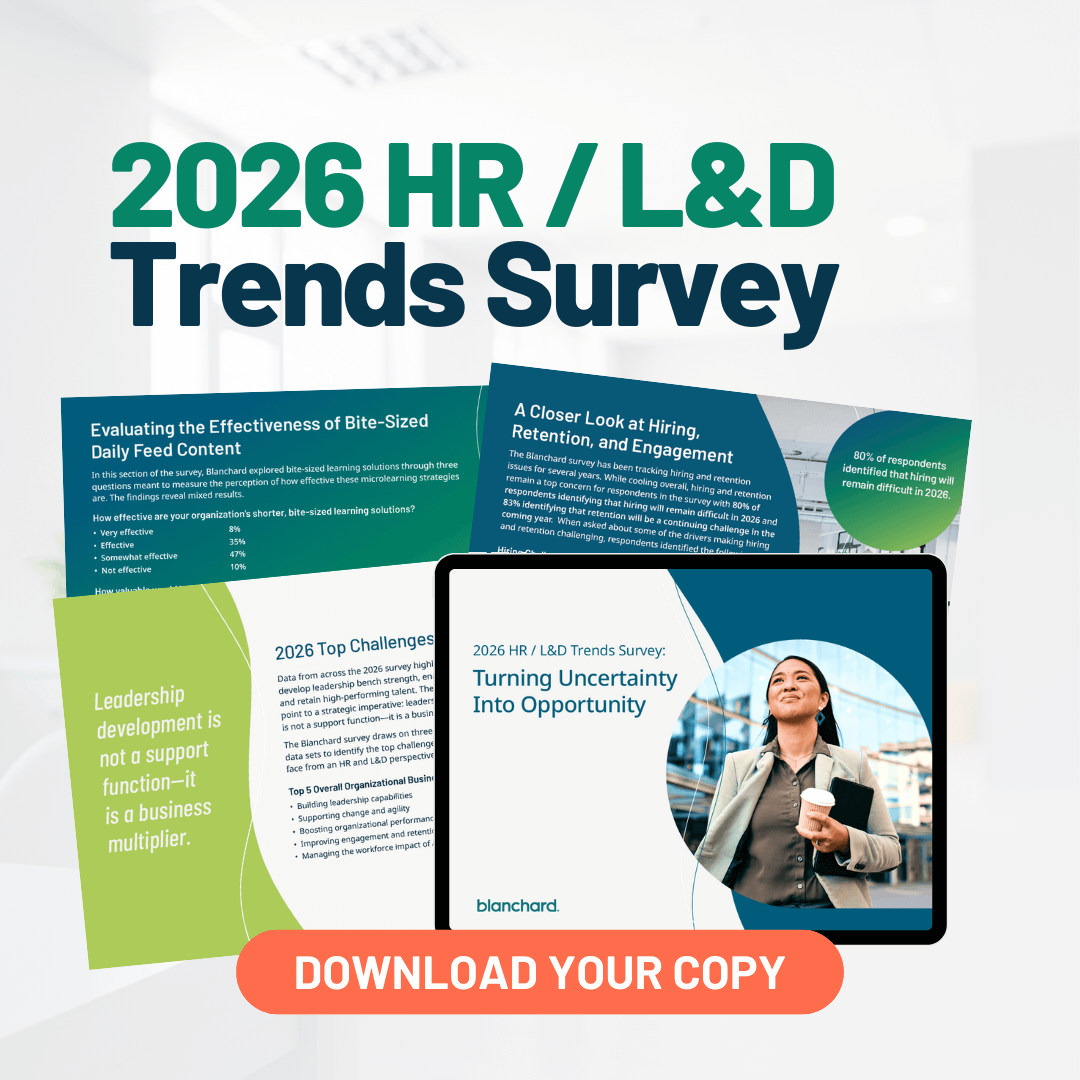
According to the 2026 HR & L&D Trends Report, 48% of organizations are prioritizing the development of leadership capabilities, and 69% are focusing on creating strong leadership pipelines—underscoring the urgent need for training programs that cultivate the next generation of servant leaders.
If you are exploring how to implement a servant leadership training program that aligns with modern business needs, this guide provides actionable insights, practical frameworks, and key metrics from the 2026 trends survey to help HR and L&D teams make informed decisions.
What Is Servant Leadership in the Workplace?
At its core, servant leadership in the workplace is about shifting the focus from personal authority to serving your team. Leaders practicing this approach actively seek to understand and support the professional growth, engagement, and wellbeing of their employees. In practice, this includes:
- Providing consistent feedback
- Listening to team needs and concerns
- Removing obstacles to performance
- Encouraging collaboration and innovation

In the Philippine context, where workplace culture values relationships, respect, and collective achievement, servant leadership resonates strongly. Employees respond to leaders who genuinely invest in their growth, leading to higher engagement, stronger loyalty, and increased discretionary effort.
Why Servant Leadership Matters More in 2026
The business landscape in 2026 presents unique challenges. Organizations report that 45% of performance issues stem from low trust in leadership, while 54% of employees feel undervalued by management. Servant leadership addresses these gaps by emphasizing trust, transparency, and communication—behaviors proven to boost engagement and retention.
Furthermore, the 2026 HR & L&D Trends Report highlights that coaching and communication are now top priorities for leadership development. Servant leadership training inherently develops these competencies, enabling managers to influence outcomes effectively while fostering an inclusive and motivated workforce.
The Link Between Servant Leadership and Employee Retention
High turnover remains a persistent challenge. The same 2026 survey indicates that poor leadership is a primary reason employees leave organizations. Servant leaders reduce attrition by cultivating environments where employees feel seen, supported, and empowered.

Key ways servant leadership boosts retention include:
- Building psychological safety
- Providing clear career development paths
- Encouraging constructive feedback loops
- Recognizing achievements consistently
Investing in servant leadership training for managers is not just about better leadership—it directly impacts your organization’s ability to retain top talent, increase employee referrals, and reduce costly turnover.
How Servant Leadership Builds Trust in Teams
Trust is the foundation of high-performing teams. Employees are more likely to engage fully and contribute innovative solutions when they trust their leaders. Servant leadership focuses on practical behaviors that foster trust, including:
- Demonstrating integrity consistently
- Showing empathy and understanding
- Communicating openly about goals and expectations
- Supporting employee autonomy while providing guidance
For Filipino employees, who highly value relational leadership and personal recognition, these trust-building behaviors are particularly effective. Leadership programs like Building Trust provide structured frameworks for developing these skills, ensuring leaders can translate theory into consistent practice.
Core Competencies HR Should Develop in 2026
To prepare leaders for the future, HR and L&D professionals must focus on these competencies, validated by the 2026 HR & L&D Trends Report:
- Coaching skills – guiding teams to solve problems and achieve goals
- Adaptive leadership – responding to change with agility
- Emotional intelligence – understanding and managing interpersonal dynamics
- Strategic thinking – aligning team performance with organizational goals
- Collaboration and communication – fostering cross-functional teamwork

Servant leadership training programs are uniquely positioned to build these competencies simultaneously, offering both behavioral frameworks and hands-on practice.


Servant Leadership vs Traditional Leadership Models
Traditional leadership often relies on hierarchical authority and directive management. While effective for short-term goal execution, it can create disengagement, low trust, and high turnover. In contrast, servant leadership:
Aspect | Traditional Leadership | Servant Leadership |
Focus | Authority and control | People and team growth |
Communication | Top-down | Two-way, empathetic |
Employee Engagement | Often transactional | Intrinsic motivation and commitment |
Trust | Limited | Central to effectiveness |
Development | Task-focused | Skill and potential-focused |
By adopting servant leadership practices, organizations can shift from compliance-driven teams to high-performing, innovative, and loyal workforce groups.
What to Look for in a Servant Leadership Training Program
Not all training programs are created equal. When selecting a servant leadership training program, HR and L&D leaders should consider:
- Practical, scenario-based learning (not just theory)
- Integration of trust-building frameworks
- Reinforcement mechanisms such as coaching, micro-activities, and real-life simulations
- Virtual and blended delivery options for accessibility
- Measurable outcomes in engagement, retention, and team performance
Programs like Servant Leadership Essentials™ incorporate these elements, equipping leaders to translate insights into daily leadership behaviors.
How to Implement Servant Leadership Across Leadership Levels
Implementation should be strategic and phased. Consider the following approach:
1. Identify leadership cohorts – emerging leaders, mid-level managers, senior executives
2. Tailor training content – align with role responsibilities and business objectives
3. Combine with trust-building initiatives – use programs like Building Trust to complement servant leadership skills
4. Provide ongoing support – coaching, mentoring, and feedback loops to reinforce behavior change
5. Measure progress – collect feedback, engagement metrics, and performance indicators

This approach ensures servant leadership becomes embedded in the organizational culture rather than a one-time learning event.
Measuring the ROI of Servant Leadership Training
While some leadership initiatives lack measurable outcomes, servant leadership training can deliver tangible ROI:
- Increased employee engagement and discretionary effort
- Higher retention rates and reduced recruitment costs
- Greater innovation and problem-solving capabilities
- Improved alignment between team performance and business goals
The 2026 HR & L&D Trends Report emphasizes that organizations investing in leadership measurement see up to a 25% improvement in learning transfer. By tracking metrics tied to trust, engagement, and team performance, HR leaders can quantify the impact of their servant leadership programs.
Why Filipino Organizations Should Invest in Servant Leadership Training

As workplaces in the Philippines become increasingly hybrid and competitive, investing in servant leadership training is no longer optional. Leaders who serve their teams build stronger relationships, foster trust, and create environments where employees thrive. By integrating servant leadership with practical trust-building frameworks, organizations can not only retain talent but also enhance collaboration, innovation, and overall organizational performance.
If your HR or L&D team is looking for a tailored leadership training program that develops servant leaders equipped to face 2026 challenges, reach out to our experts. We can design a program aligned with your organization’s goals, team culture, and development priorities, ensuring measurable results and lasting impact.
© 2026 Blanchard Philippines. All rights reserved. Unauthorized use, reproduction, or distribution of this content is strictly prohibited.